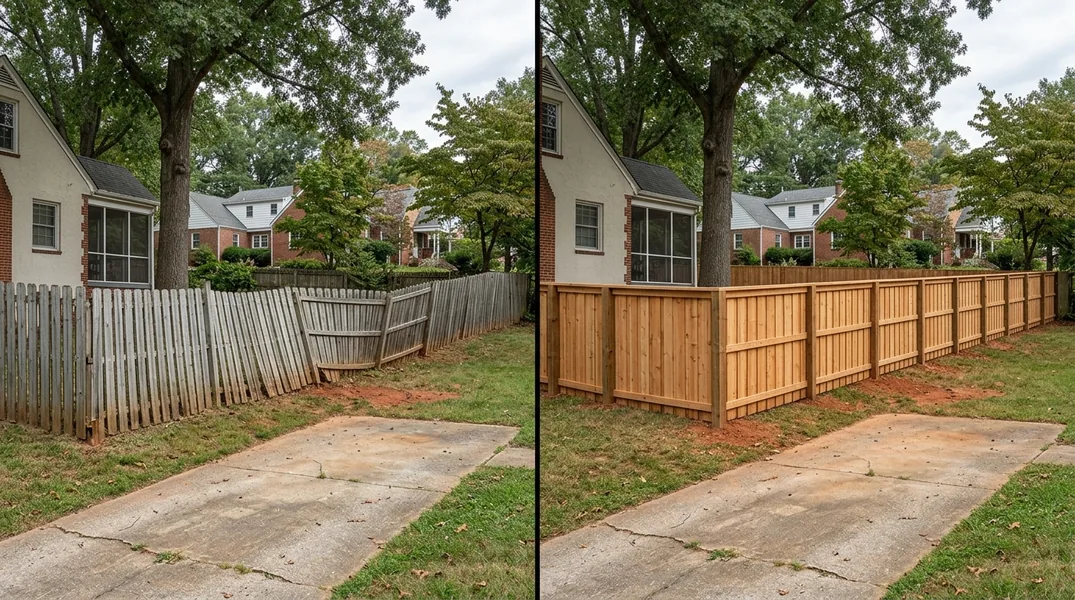
Understanding Virginia Pool Barrier Code Requirements
If you own a swimming pool in Richmond, you're required by Virginia law to install a proper barrier around it. Pool safety isn't just a recommendation, it's a legal requirement designed to prevent accidental drowning, especially among young children. Virginia's pool barrier code is part of the state's building safety standards, and failing to comply can result in fines, liability issues, and worst of all, tragic accidents.
The primary purpose of pool fence requirements Virginia is to create a complete enclosure that prevents unauthorized access to the pool area. This means your pool must be surrounded on all sides by an approved barrier, whether that's a fence, wall, or combination of structures. Many homeowners in Richmond don't realize that their existing fence may not meet current code, especially if it was installed years ago before regulations were updated. Understanding these requirements before you build or upgrade is essential to staying compliant and protecting your family.
Minimum Height Requirements for Pool Fences
Virginia's pool barrier code specifies that any fence surrounding a pool must be at least four feet tall, measured from the ground to the top of the fence. This height requirement is consistent with federal guidelines and is designed to make it difficult for small children to climb over or reach into the pool area. If you're planning to install a new pool fence or upgrade an existing one, ensuring the fence meets this four-foot minimum is non-negotiable.
The height measurement matters because it's taken at the lowest point of the fence line. If your yard slopes or if the ground is uneven, you'll need to account for this when installing your fence. A Wood & Privacy Fence Installation professional can help ensure your fence is properly graded and meets the height requirement across the entire perimeter. Additionally, any decorative elements on top of the fence, such as finials or caps, do not count toward the height measurement. The four feet must be solid, functional barrier material.
Gap Specifications and Spacing Rules
One of the most commonly overlooked aspects of pool fence compliance is the gap requirement. Virginia code specifies that there cannot be any openings, gaps, or spaces in the fence that are larger than four inches. This restriction applies to both horizontal and vertical gaps, including spaces between pickets, under the fence, or around gate hinges. The four-inch rule exists because a small child's head can fit through larger openings, creating a serious safety hazard.
When inspecting an existing fence or planning a new installation, measure carefully around the entire perimeter. Pay special attention to the bottom of the fence where settling or wear can create gaps over time. If you have a Chain Link Fence Installation, the mesh openings must not exceed four inches. For wood fences, the spacing between pickets should be consistent and measured to ensure compliance. Many homeowners discover that their older fences have gaps that have developed due to wood shrinkage or settling. If your fence doesn't meet the four-inch gap requirement, you'll need to make modifications before it can legally serve as a pool barrier.
Self-Latching and Self-Closing Gate Requirements
Perhaps the most important component of your pool barrier is the gate, and Virginia's code has specific requirements for how it must operate. Any gate providing access to the pool area must be equipped with a self closing pool gate mechanism and a self-latching device. This means the gate must automatically close and latch behind anyone who passes through it, without requiring manual action. The self-closing mechanism should operate smoothly and reliably, closing within 15 seconds of being opened.
The self-latching device must be positioned at least 54 inches above the ground, measured from the bottom of the gate. This height requirement is intentional, as it prevents young children from easily reaching and operating the latch. The latch itself must be capable of being operated by an adult, but should require deliberate action to open. Many pool gates come with spring hinges and magnetic latches that work together to meet these requirements. If you're upgrading your pool area, ensure that any gate installation includes proper self-closing and self-latching hardware. Testing your gate regularly ensures it continues to function properly and maintains compliance with Virginia's pool barrier code.
Professional Pool Fence Installation Near Me: Why You Need an Expert
While some homeowners attempt DIY fence installation, pool barriers are different. They're not just about aesthetics or property lines, they're about safety and legal compliance. A mistake in height, gap spacing, or gate installation could leave your family vulnerable and expose you to liability. That's why working with experienced professionals like Richmond Fence Pros ensures your pool fence meets every requirement of Virginia's code.
Our team understands the specific pool barrier regulations that apply in Richmond and surrounding areas. Whether you need a new pool fence installation or modifications to an existing fence, we'll ensure every detail meets code requirements. We can install Wood & Privacy Fence Installation or other barrier types with proper height, gap specifications, and gate hardware. If you're unsure whether your current pool fence is compliant, we recommend scheduling a free estimate so we can assess your situation and provide recommendations. You can reach Richmond Fence Pros at (804) 409-8420 to discuss your pool safety needs.
Pool Fence Installation Cost in Richmond: What to Budget
The cost of installing a compliant pool fence depends on several factors, including the size of your pool area, the type of fencing material you choose, gate requirements, and any modifications needed to meet code. A basic wood privacy fence will typically cost less than ornamental aluminum, but both can be installed to meet Virginia's pool barrier requirements. For a standard pool area in Richmond, homeowners typically invest between $1,500 and $5,000 for a complete barrier installation, though larger pools or premium materials may cost more.
When budgeting for your pool fence, remember that the cost of compliance is far less than the cost of an accident or legal liability. Investing in proper installation from the start means you won't need expensive repairs or modifications later. Richmond Fence Pros offers transparent pricing and will provide a detailed estimate based on your specific pool area and requirements. We recommend getting multiple quotes and comparing not just price, but also the contractor's understanding of local code requirements. Contact us today at (804) 409-8420 or request a free estimate to see what your pool fence project will cost.
Looking for a professional tree service in Richmond? Richmond Fence Pros responds fast for all your fence needs.
Get a Free Quote