Understanding Richmond's Historic District Fence Regulations
If you own property in a historic district in Richmond, you already know that preservation rules touch nearly every aspect of your home. Fencing is no exception. The City of Richmond maintains strict architectural guidelines for properties within designated historic districts, including Church Hill, Jackson Ward, and the Fan District. These rules exist to preserve the character and historical integrity of these neighborhoods, which is why understanding them before you install a fence is essential.
The Historic District Review Process requires that most fence installations undergo approval from the Architectural Review Board (ARB) before construction begins. This isn't simply a formality. The ARB evaluates proposed fences based on their visual compatibility with the neighborhood's historic character, materials, design, and placement. Homeowners who skip this step risk having to remove a newly installed fence or face fines. The good news is that the process is manageable when you understand the rules upfront and work with experienced professionals who know these requirements inside and out.
Wrought Iron Fence Rules in Historic Districts
Among the most popular fencing options in Richmond's historic neighborhoods is Aluminum & Ornamental Iron Fencing. Wrought iron and ornamental iron fences have been part of Richmond's architectural heritage for centuries, particularly in areas like Church Hill where Federal-era and Victorian homes line tree-shaded streets. The ARB strongly favors historically appropriate iron fencing because it maintains the visual openness and character that defines these neighborhoods.
If you're considering wrought iron fencing, the ARB typically approves designs that match the period and style of your home and surrounding properties. This means Victorian-era homes might require ornate, decorative iron work, while earlier Federal-period properties often call for simpler, more restrained designs. The height, spacing, and finish (typically black or dark colors) all matter. Solid wooden privacy fences, while popular in suburban areas, are generally discouraged in historic districts because they block sight lines and alter the neighborhood's traditional open character. Before you invest in any iron fencing project, it's wise to contact Richmond Fence Pros for a free estimate and consultation about whether your design will meet historic district requirements.
Wood and Privacy Fence Installation in Historic Districts: What's Allowed
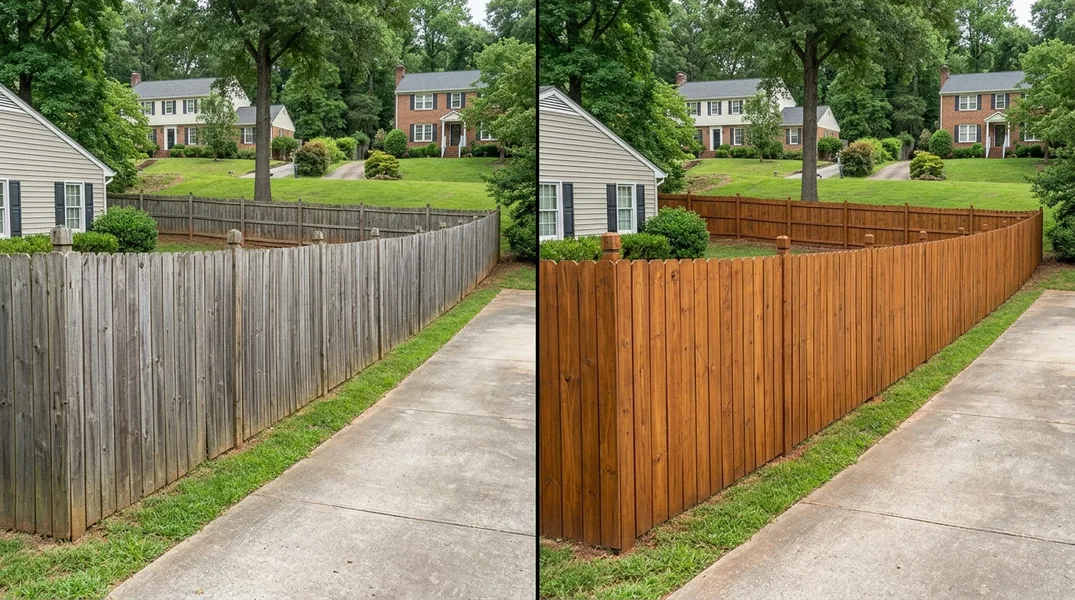
Wood & Privacy Fence Installation presents a more complicated picture in historic districts. While wood fencing has historical roots in Richmond, the type and placement of wood fences matter significantly. The ARB is most likely to approve wood fencing that is set back from the street (typically behind the front building line), positioned at side or rear property lines, or designed to complement the home's architectural style. A tall, solid privacy fence running along the front of your property in Church Hill will almost certainly face rejection during the ARB review process.
The reasoning is straightforward: historic districts derive much of their character from visual permeability and the ability to see homes, gardens, and streetscapes. A six-foot solid wooden fence blocks that view and disrupts the neighborhood's historic fabric. However, if you need privacy or security at the rear of your property, a well-designed wood fence set back appropriately may be approved. Some homeowners find success with semi-transparent designs, lower heights, or fencing that incorporates period-appropriate details. The key is presenting a design that the ARB can evaluate fairly and that genuinely complements your property and neighborhood.
Church Hill Fence Requirements and Special Considerations
Church Hill is one of Richmond's most treasured historic neighborhoods, and its fence guidelines reflect the area's architectural significance. Properties in Church Hill are subject to the City of Richmond's Historic District Design Guidelines, which provide detailed standards for fence design, materials, and placement. The neighborhood's mix of Federal, Greek Revival, and Victorian architecture means that there is no one-size-fits-all fence solution. A design appropriate for one Church Hill home may not work for another just a few blocks away.
In Church Hill, the ARB pays particular attention to how proposed fencing relates to the historic streetscape. Front-yard fencing is especially scrutinized because Church Hill's charm depends on the visual connection between homes and the street. Many approved Church Hill fences are low (typically three to four feet), ornamental in character, and set back from the property line. If you're planning a fence project in Church Hill, reviewing the Historic District Design Guidelines before you design anything is a smart first step. Richmond Fence Pros understands these nuances and can help you develop a design that satisfies both the ARB and your own needs. Call (804) 409-8420 to discuss your Church Hill property and explore options that will work.
The Historic District Review Process and Timeline
Before installing any fence in a historic district, you'll need to submit an application to the City of Richmond's Department of Planning and Development Review. The application requires detailed drawings or plans of the proposed fence, including dimensions, materials, style, and placement on your property. You'll also need to show how the fence relates to your home's architecture and the surrounding neighborhood. The ARB typically reviews applications at monthly meetings, though the exact timeline can vary depending on application completeness and current workload.
The review process usually takes four to eight weeks from submission to decision. If the ARB has questions or requests modifications, the timeline extends. Approved applications come with a Certificate of Appropriateness, which you'll need before you can begin installation. Rejected applications can often be revised and resubmitted, giving you the chance to adjust your design based on feedback. This is why working with a fence contractor who understands the historic district process is invaluable. Richmond Fence Pros has experience navigating these requirements and can help you prepare a strong application the first time, saving you time and frustration.
Getting Professional Guidance for Your Historic District Fence Project
Navigating historic district regulations on your own is possible, but it's easy to make costly mistakes. A design that seems perfect to you might conflict with ARB guidelines in ways you don't anticipate. This is why consulting with experienced professionals before you invest time and money is so valuable. Richmond Fence Pros specializes in helping homeowners in historic neighborhoods like Church Hill understand their options and develop compliant designs that still meet their practical needs.
Whether you're interested in Aluminum & Ornamental Iron Fencing, Wood & Privacy Fence Installation, or exploring other materials, our team can guide you through the historic district review process and help ensure your fence project succeeds. We understand Richmond's neighborhoods, the ARB's expectations, and how to design fencing that honors historic character while serving your property's needs. Reach out to Richmond Fence Pros today at (804) 409-8420 or contact us for a free estimate. We'll discuss your project, review the applicable guidelines, and help you move forward with confidence.
Looking for a professional tree service in Richmond? Richmond Fence Pros responds fast for all your fence needs.
Get a Free Quote